



TAXYZ.CO.UK TAXYZ.CO.UK
  • Home
  • UK Tax

    Picked

    UK Gambling Tax Guide 2025 Casino, Betting & Lottery Winnings
    HMRC Rules & Compliance

    UK Gambling Tax Guide 2025: Casino, Betting & Lottery Winnings

    Sara K

    Trending

    UK Income Tax Bands Explained (2025/26)
    UK Income Tax Bands Explained (2025/26)
    By Sara K
    UK Gambling Tax Guide 2025 Casino, Betting & Lottery Winnings
    UK Gambling Tax Guide 2025: Casino, Betting & Lottery Winnings
    By Sara K
    How the £100,000 Tax Trap Works
    How the £100,000 Tax Trap Works
    By Sara K

    Latest

    Simplify Your Taxes with the Ultimate UK Income Tax Calculator App
    July 1, 2025
    Take Control of Your Finances with Our UK Income Tax Calculator App
    July 4, 2025
    Your Essential Guide to the UK Income Tax Calculator App for 2020–2026
    July 11, 2025
  • Smart Savings

    Smart Savings

    • ISAs Explained
    • Cash ISAs
    • Stocks & Shares ISAs
    • Lifetime ISAs (LISA)
    • Junior ISAs
    • ISA Allowances & Rules
    • Over-60s ISA & Retirement Savings
    • Savings Accounts

    Picked

    Lloyds ISA Comprehensive Guide to Benefits and Features
    Cash ISAs

    Lloyds ISA: Comprehensive Guide to Benefits and Features

    Sara K

    Trending

    Halifax ISA Explained - Benefits and How to Apply
    Halifax ISA Explained: Benefits and How to Apply
    By Sara K
    Martin Lewis Stocks and Shares ISA Guide, Fees, Rules & Platforms
    Martin Lewis Stocks and Shares ISA Guide 2026
    By Sara K
    Martin Lewis Best 1 Year Fixed-Rate ISA 1
    Martin Lewis Best 1 Year Fixed-Rate ISA (February 2026 Update)
    By Sara K
  • About Us
    • Careers
    • Contact Us
    • Disclaimers & Disclosures

Type and hit Enter to search

TAXYZ.CO.UK TAXYZ.CO.UK

Main Menu

  • Home
  • UK Tax
  • Smart Savings
  • About Us
    • Careers
    • Contact Us
    • Disclaimers & Disclosures

Trending News

HSBC ISA Rate Update for 2025 What Savers Need to Know
HSBC ISA Rate Update for 2025/2026: What Savers Need to Know
By Sara K
Real Living Wage vs National Minimum Wage (2026)
Real Living Wage vs National Minimum Wage (2026 Edition)
By Sara K
Martin Lewis Best 1 Year Fixed-Rate ISA 1
Martin Lewis Best 1 Year Fixed-Rate ISA (February 2026 Update)
By Sara K

Follow Us

22k
Follow
Subscribe
2.2m
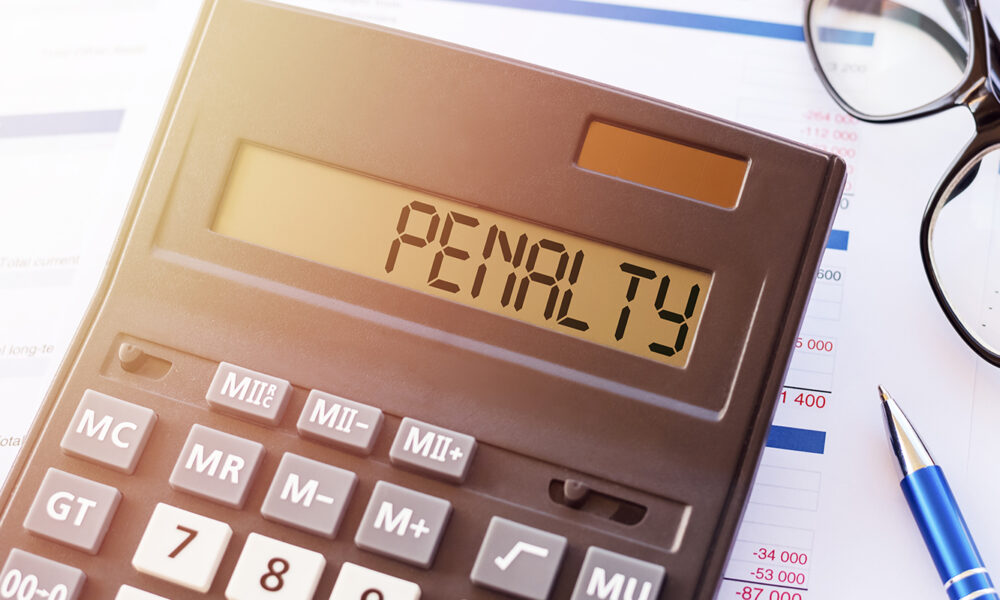
HMRC Penalties Explained: How to Avoid Fines and Interest Charges
HMRC Rules & ComplianceNews & Updates

HMRC Penalties Explained: How to Avoid Fines and Interest Charges

Sara K
October 25, 2025 5 Mins Read
262 Views
0 Comments

Table of Contents

Toggle
  • Introduction: Why Understanding HMRC Penalties Matters
  • What Are HMRC Penalties? An Overview
    • Who is liable for HMRC penalties?
    • Key types of tax obligations and late-filing exposure
  • Late Filing Penalties: Key Rules and Latest Rates
    • Self Assessment: late filing penalties (2025/26)
    • Corporation Tax & Company Returns: what happens if you miss deadlines
  • Late Payment Penalties & Interest: How Costs Escalate Over Time
    • Late payment interest: latest rate and calculation
    • Additional percentage penalties for 30 days, 6 months, 12 months late
  • Inaccuracy, Failure to Notify and Other Penalties
    • Penalties for inaccurate returns
    • Failure to notify: unreported income or gains
  • Recent Changes & Regulatory Updates (2024-25)
    • New VAT penalty points regime
    • Late payment interest rate increases
  • How HMRC Calculates Penalties: Key Drivers
    • Amount of tax owed
    • Duration of delay
    • Behaviour: careless vs deliberate
  • Practical Strategies to Avoid HMRC Penalties
    • Meet deadlines: filing and payment
    • Keep accurate records
    • Use digital systems (MTD & online filing)
    • Time to Pay arrangements if you cannot pay
  • What to Do If You Already Have a Penalty
    • Review the penalty notice
    • Appeal on the basis of “reasonable excuse”
    • Agree a payment plan or mitigate future risk
  • Case Studies: Real-world Examples
  • Implications for Small Businesses vs Individuals
  • Frequently Asked Questions (FAQ)
  • Conclusion & Key Takeaways

Introduction: Why Understanding HMRC Penalties Matters

Dealing with taxes can feel daunting — especially when the penalties from HMRC start mounting. This article titled “HMRC Penalties Explained: How to Avoid Fines and Interest Charges” is designed to help you, whether you’re an individual taxpayer or a business owner, understand how HMRC penalties work in 2025 and what you can do to steer clear of mistakes.

Understanding the latest rules and interest rates is crucial. Missing deadlines or submitting inaccurate information can lead to escalating fines, stress and unnecessary costs. This updated 2025 guide walks you through penalty types, interest charges, timelines, appeal options, and practical strategies to stay compliant.

What Are HMRC Penalties? An Overview

Who is liable for HMRC penalties?

Any UK taxpayer — individuals, landlords, self-employed workers, limited companies, contractors and partnerships — may face HMRC penalties. These arise when you fail to meet obligations such as filing returns on time, paying tax owed, notifying HMRC of new liabilities or providing accurate information.

Key types of tax obligations and late-filing exposure

Common obligations include:

  • Filing your Self Assessment tax return
  • Paying tax liabilities on or before the due date
  • Submitting accurate returns without errors
  • Registering for VAT and filing VAT returns on time
  • Keeping records and reporting income or gains

Late filing and late payment are the most frequent triggers for penalties.

Late Filing Penalties: Key Rules and Latest Rates

Self Assessment: late filing penalties (2025/26)

If you miss the filing deadline for Self Assessment, HMRC applies the following penalties:

  • 1 day late: Automatic £100 fixed penalty
  • 3 months late: Daily penalties of £10 per day, up to £900
  • 6 months late: Additional penalty of the higher of £300 or 5% of the tax due
  • 12 months late: Another penalty of the higher of £300 or 5% of the tax due

Even if you owe no tax, the initial £100 penalty still applies.

Corporation Tax & Company Returns: what happens if you miss deadlines

Companies that miss CT600 filing deadlines face:

  • 1 day late: £100 fixed penalty
  • 3 months late: Another £100
  • 6 months late: 10% of the unpaid Corporation Tax
  • 12 months late: Another 10% of unpaid Corporation Tax

For repeated late filing, penalties are higher.

Late Payment Penalties & Interest: How Costs Escalate Over Time

Late payment interest: latest rate and calculation

From April 2025, HMRC’s late payment interest rate rose due to UK base rate increases, reaching around 8.5% per year, calculated daily. Even short delays can accumulate noticeable interest.

Additional percentage penalties for 30 days, 6 months, 12 months late

Beyond interest:

  • 30 days late: 5% of unpaid tax
  • 6 months late: Further 5%
  • 12 months late: Another 5%

Missing filing deadlines may add more penalties on top.

Inaccuracy, Failure to Notify and Other Penalties

Penalties for inaccurate returns

If a return contains errors that result in underpaid tax:

  • Careless errors: Up to 30% of extra tax owed
  • Deliberate errors: Higher penalties, potentially 100%
  • Deliberate and concealed: Even higher rates

Accurate record-keeping is your strongest defence.

Failure to notify: unreported income or gains

Failing to notify HMRC of taxable income, new business activity or gains is subject to penalties, especially if the failure appears deliberate.

Recent Changes & Regulatory Updates (2024-25)

New VAT penalty points regime

The new VAT penalty points system introduces:

  • Points for each late VAT return
  • £200 penalty when you hit the threshold
  • Reset periods if you file consistently on time

Additionally, VAT late-payment penalties now apply at:

  • 3% at day 15
  • 3% at day 30
  • Daily charges from day 31

Late payment interest rate increases

Interest rates on late tax payments increased in 2025, adding more financial pressure on those who delay.

How HMRC Calculates Penalties: Key Drivers

Amount of tax owed

The greater the unpaid tax, the larger percentage-based penalties will be.

Duration of delay

Penalties escalate quickly the longer you wait.

Behaviour: careless vs deliberate

HMRC categorises behaviour as:

  • Reasonable care
  • Careless
  • Deliberate
  • Deliberate and concealed

Your behaviour directly affects penalty rates.

Practical Strategies to Avoid HMRC Penalties

Meet deadlines: filing and payment

  • Add filing deadlines to your calendar
  • Pay as much as you can by the due date
  • File on time even if you can’t pay in full

Keep accurate records

  • Track income, expenses and receipts
  • Keep digital copies
  • Separate business and personal transactions

Use digital systems (MTD & online filing)

Using compatible software reduces errors and ensures compliance.

Time to Pay arrangements if you cannot pay

If you cannot pay in full, contact HMRC early to set up a payment plan. Acting before a deadline can reduce penalties.

What to Do If You Already Have a Penalty

Review the penalty notice

Check:

  • The tax year
  • The amount
  • The reason for the penalty
  • The appeal deadline

Appeal on the basis of “reasonable excuse”

Valid excuses may include:

  • Technical issues
  • Serious illness
  • Bereavement
  • Postal delays

You must act promptly once the issue ends.

Agree a payment plan or mitigate future risk

If you owe it, set up a payment plan and adjust systems to avoid repeat penalties.

Case Studies: Real-world Examples

  • A business missing multiple VAT returns accumulated enough points to receive several £200 penalties.
  • A taxpayer filing 12 months late paid more in penalties and interest than the tax itself.
  • A company filing its CT600 late twice saw penalties double for repeated behaviour.

Implications for Small Businesses vs Individuals

Small businesses face more filing obligations, making them more exposed to penalties. Individuals, meanwhile, can still face fixed penalties even when no tax is due.

Frequently Asked Questions (FAQ)

Q1: What counts as a “reasonable excuse”?
Serious illness, unexpected emergencies, or HMRC system failures.

Q2: Do I still pay interest if I pay part of my tax late?
Yes — interest applies to any unpaid proportion.

Q3: Can cooperating with HMRC reduce penalties?
Yes. Voluntary disclosure often reduces penalty percentages.

Q4: How long do I have to appeal a penalty?
Usually 30 days from the date on the penalty notice.

Q5: How do I know if I need to file Self Assessment?
If you have untaxed income, are self-employed, or earn certain types of income.

Q6: Do penalties apply even if no tax is owed?
Yes — the £100 Self Assessment late-filing penalty still applies.

Conclusion & Key Takeaways

Understanding HMRC penalties is essential to avoid unnecessary costs. Key reminders:

  • File and pay on time
  • Keep good records
  • Correct errors quickly
  • Contact HMRC early if you can’t pay
  • Stay updated with new rules

Proactive compliance always costs less than letting penalties build up.

Tags:

HMRCPenalties

Share Article

Follow Me Written By

Sara K

Finance writer and researcher with 10+ years’ experience specialising in UK taxation, student finance, and personal money management. Sara focuses on translating complex financial rules into clear, practical guidance that helps individuals understand obligations, costs, and long-term financial outcomes. Her work is grounded in current UK legislation and HMRC guidance, and is written to support accurate, compliant, and informed financial decision-making.

Other Articles

How to Handle an HMRC Compliance Check (2025)

Previous

How to Handle an HMRC Compliance Check (2025)

HMRC Digital Services What’s Changed and What You Need to Know
Next

HMRC Digital Services: What’s Changed and What You Need to Know

Next
HMRC Digital Services What’s Changed and What You Need to Know
October 28, 2025

HMRC Digital Services: What’s Changed and What You Need to Know

Previous
October 23, 2025

How to Handle an HMRC Compliance Check (2025)

How to Handle an HMRC Compliance Check (2025)

No Comment! Be the first one.

    Leave a Reply Cancel reply

    Your email address will not be published. Required fields are marked *

    Categories

    Best Junior Cash ISA Accounts Comparison Top Picks for 2025

    Smart Savings

    9
    Martin Lewis Best ISA Rates for Over 60s in 2026

    ISAs Explained

    52
    Content Writer Job

    Income Tax

    14
    Lifetime ISA (LISA) A Comprehensive Guide on Tax-Free Savings to Buy Your First Home or for Retirement

    Planning & Strategies

    16
    Nationwide ISA A Detailed Guide For 2025

    HMRC Rules & Compliance

    11
    Best Junior Stocks And Shares ISAs Comparison for 2025

    News & Updates

    29

    Get Every Newsletter

    Get notified of the latest article on our TAXYZ.

    Trending

    How ISA Inheritance Works (APS Guide 2026)
    ISA Allowances & Rules

    How ISA Inheritance Works (APS Guide – UK 2026)

    January 30, 2026
    Martin Lewis Best ISA Rates for Over 60s in 2026
    Martin Lewis Best ISA Rates for Over 60s (2026/27 Guide)
    How the £100,000 Tax Trap Works
    How the £100,000 Tax Trap Works
    UK Income Tax Bands Explained (2025/26)
    UK Income Tax Bands Explained (2025/26)
    Income Tax Calculator (HMRC) – UK Rates & Example 2025/26
    Income Tax Calculator (HMRC)

    Follow Us

    2.6M
    4501K
    7.5K
    1.3M
    TAXYZ.CO.UK
    At TAXYZ.CO.UK, we believe that understanding taxes and personal finance doesn’t have to be complicated or overwhelming.

    10167, Unit F, Winston Business Park, Churchill Way, Sheffield, United Kingdom, S35 2PS

    hello@taxyz.co.uk
    • Contact Us
    • About Us
    • Careers
    • Disclaimers & Disclosures
    • Privacy & Policy
    Martin Lewis Best ISA Rates for Over 60s in 2026
    Martin Lewis Best ISA Rates for Over 60s (2026/27 Guide)
    February 18, 2026
    How the £100,000 Tax Trap Works
    How the £100,000 Tax Trap Works
    January 31, 2026

    © All Rights Reserved.

    Hey AI, Peek Inside