



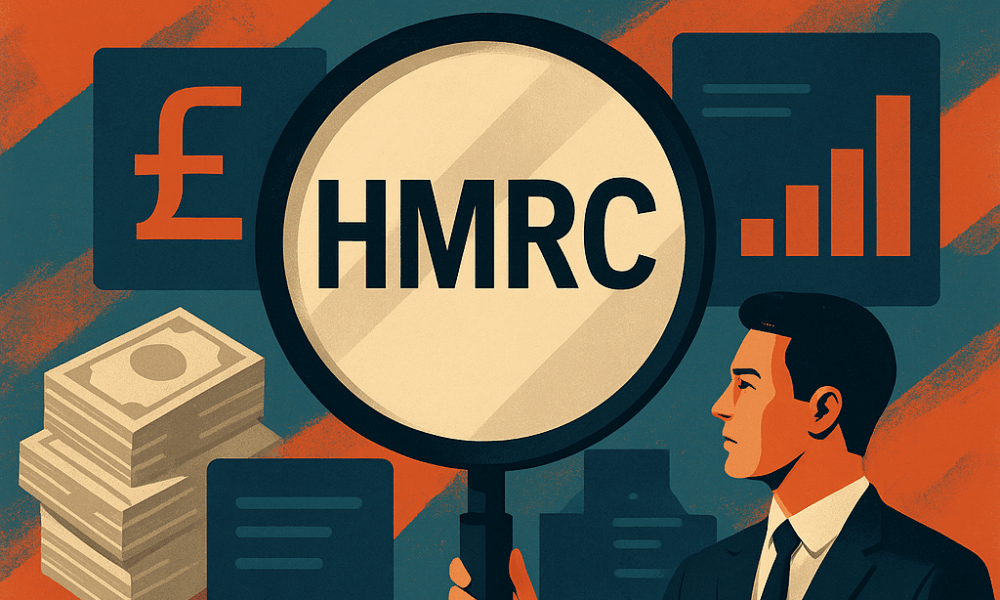
How HMRC Targets Tax Evasion and Fraud: 10 Powerful Insights Every Small Business Must Know

Introduction: Understanding HMRC’s Fight Against Tax Evasion
Her Majesty’s Revenue and Customs (HMRC) is the United Kingdom’s tax authority, tasked with ensuring individuals and businesses pay their fair share of taxes. Over the past decade, HMRC has stepped up its fight against tax evasion and fraud through modern technology, data analytics, and increased collaboration with global financial institutions. For small businesses, understanding how HMRC operates is not only about avoiding penalties — it’s about safeguarding the financial integrity and reputation of your enterprise.
In today’s digital economy, HMRC’s approach has evolved beyond traditional audits. With systems like “Connect”, which analyses over 22 billion data points, HMRC can easily detect discrepancies between declared income and real-world financial behavior. This means every transaction, bank record, or even online activity could play a role in uncovering fraud.
What Is Tax Evasion vs. Tax Avoidance? A Clear Distinction
Defining Tax Evasion
Tax evasion refers to deliberately concealing income or falsifying information to reduce tax liability. Common examples include underreporting sales, creating fake invoices, or hiding assets offshore. This is a criminal offense and can lead to severe fines or imprisonment.
Defining Tax Avoidance
In contrast, tax avoidance involves arranging your financial affairs to minimize tax within legal boundaries. While avoidance isn’t illegal, overly aggressive schemes can still attract HMRC scrutiny.
Why the Distinction Matters for Small Businesses
For small businesses, the line between smart tax planning and illegal evasion can blur easily. Transparent documentation, regular audits, and professional advice ensure your tax strategies remain compliant with HMRC’s standards.
The Role of HMRC in Combating Financial Crimes
HMRC’s Legal Authority and Enforcement Powers
HMRC wields extensive legal powers to investigate suspected tax fraud, including demanding records, interviewing employees, and executing search warrants. Under the Criminal Finances Act 2017, businesses can even be held criminally liable for failing to prevent tax evasion.
How HMRC Collaborates with Other Agencies
HMRC partners with entities like the Serious Fraud Office (SFO), National Crime Agency (NCA), and Interpol to track international tax evasion networks. These collaborations enhance its reach and data-sharing capacity, ensuring no suspicious financial activity escapes notice.
Common Tax Evasion Tactics HMRC Monitors
Underreporting Income and Misstating Expenses
Many businesses unintentionally or deliberately underreport income. HMRC cross-verifies figures using digital payment platforms, banking data, and supplier information.
False VAT Claims and Payroll Manipulations
Submitting inflated VAT refund requests or maintaining ghost employees are classic tactics. HMRC’s digital VAT system detects inconsistencies across filings.
Offshore Accounts and Hidden Assets
Thanks to the Common Reporting Standard (CRS), HMRC receives automatic data from over 100 countries, making it nearly impossible to hide money abroad.
HMRC’s Digital Tools and AI Systems for Detecting Fraud
The “Connect” Data Analysis System Explained
HMRC’s “Connect” system is the backbone of its digital surveillance. It collects information from banks, employers, online marketplaces, and even social media to flag suspicious discrepancies.
How Artificial Intelligence Helps Identify Suspicious Behavior
AI models analyze spending patterns, unusual transactions, and anomalies in accounting records to predict potential fraud risks.
The Power of Real-Time Data Integration
With cloud accounting and open banking integrations, HMRC now monitors business activities in real-time, minimizing detection delays.
Signs HMRC Is Investigating Your Business
When HMRC begins investigating a business, it often provides subtle signals before a formal investigation notice is issued. Recognizing these early signs can give you time to prepare and respond appropriately.
Unusual Audit Requests and Information Demands
One of the first indications of HMRC interest is an unexpected request for detailed financial information. You may be asked to provide specific invoices, bank statements, or payroll records that go beyond standard submissions. HMRC often starts with a “soft” inquiry, known as a compliance check, to verify if discrepancies exist before escalating to a full-scale investigation.
Sudden Delays in Tax Refunds or Claims
If your VAT refund or tax claim suddenly experiences long delays without explanation, it could be a red flag. HMRC frequently holds refunds when inconsistencies are found between reported figures and cross-verified data sources.
Official Notices and Investigative Summons
A more direct sign is receiving a formal COP9 letter or Notice of Investigation, especially under the Contractual Disclosure Facility (CDF). These notices indicate HMRC suspects deliberate tax evasion and is offering you a chance to disclose irregularities voluntarily in exchange for reduced penalties.
The Compliance Check Process: What to Expect
HMRC conducts thousands of compliance checks each year across all sectors. The process is designed not only to detect fraud but also to educate businesses on proper tax compliance.
Initial Notification and Risk Assessment
It begins with a written notice stating HMRC’s intent to review your tax affairs. The authority assesses the risk level based on your industry, size, filing history, and previous compliance record. Businesses operating in cash-heavy sectors, like hospitality or construction, often face higher scrutiny.
Records and Documentation HMRC Reviews
HMRC may review a variety of documents, including:
- Business bank accounts
- Expense receipts and invoices
- Payroll and PAYE submissions
- VAT returns
- Director loan accounts
The goal is to confirm that reported figures align with actual financial activity.
Possible Outcomes of a Compliance Check
Following the review, HMRC can:
- Close the case with no further action if all records are accurate.
- Adjust tax liabilities and charge interest on underpaid amounts.
- Escalate to a formal investigation if intentional evasion is suspected.
Penalties and Consequences of Tax Evasion
Financial Penalties and Fines
Penalties vary based on the severity and intent of the offense. Civil penalties can range from 30% to 100% of unpaid tax, depending on whether the error was careless, deliberate, or concealed. In cases involving offshore assets, penalties can reach up to 200% of the unpaid tax.
Criminal Prosecution and Reputational Damage
Severe cases of tax evasion may result in criminal prosecution. Convicted offenders face imprisonment, disqualification from directorships, and irreparable damage to their business reputation.
Case Studies: Real Examples of HMRC Action
- Case Example 1: A London restaurant chain was fined £250,000 after HMRC uncovered undeclared cash sales using point-of-sale data analysis.
- Case Example 2: A construction firm director received a two-year prison sentence for using offshore accounts to hide profits.
These examples highlight HMRC’s capability and willingness to pursue both individuals and corporations.
How Small Businesses Can Stay Compliant
Maintaining Transparent Records
The foundation of compliance is accurate recordkeeping. All invoices, receipts, and payroll documents should be digitized and backed up for at least six years. This ensures quick response capability during audits.
Regular Internal Audits and Professional Advice
Conducting periodic internal audits helps identify errors early. Partnering with a certified accountant or tax advisor provides an additional layer of protection and expertise.
Using HMRC’s Online Tools for Self-Assessment
HMRC’s digital services, including Making Tax Digital (MTD), streamline record submission and reduce filing errors. Small businesses should integrate compatible software to remain compliant and efficient.
HMRC’s Whistleblower and Informant Programs
How to Report Suspected Fraud Anonymously
HMRC operates a confidential whistleblower hotline for individuals to report suspected tax fraud or evasion. Information can be submitted anonymously through phone or online forms.
Incentives for Whistleblowers
While HMRC does not publicly advertise rewards, in certain cases, informants have received financial compensation for significant leads that lead to recovery of unpaid taxes.
Preventative Strategies to Reduce Risk of Investigation
Embracing Cloud Accounting Software
Tools like QuickBooks, Xero, and Sage offer automated tracking, real-time updates, and error detection features that align with HMRC’s MTD requirements.
Implementing Strong Internal Controls
Establishing segregation of duties, approval hierarchies, and transaction monitoring systems can prevent accidental or deliberate misreporting.
Educating Employees on Tax Compliance
Training staff on ethical practices, receipt handling, and VAT regulations helps foster a culture of transparency and responsibility.
The Future of HMRC Enforcement in a Digital Economy
Predictive Analytics and AI in Future Investigations
HMRC continues to invest in AI-driven predictive models that assess compliance risk in real time. These systems flag anomalies in financial behavior even before returns are filed.
Data Sharing Across Borders
The global financial system is becoming increasingly transparent. Through agreements like the Common Reporting Standard (CRS), over 100 jurisdictions share taxpayer data, making it difficult to hide assets abroad.
What Businesses Should Prepare For
Small businesses should anticipate more frequent data-driven audits. Embracing digital compliance systems and maintaining clean records will be essential to navigate this evolving landscape confidently.
FAQs: HMRC and Tax Evasion Investigations
Q1. How does HMRC decide which businesses to investigate?
HMRC uses risk-based analysis and AI systems to identify businesses with suspicious financial patterns or irregular tax filings.
Q2. What should I do if I receive a compliance check letter?
Respond promptly and honestly. Provide all requested documentation and, if needed, seek professional advice before submission.
Q3. Can I appeal against HMRC’s decision?
Yes, you can appeal within 30 days of receiving a decision notice. Appeals can be handled internally or escalated to the tax tribunal.
Q4. How far back can HMRC investigate?
Typically, HMRC can investigate up to 4 years for innocent errors, 6 years for careless mistakes, and 20 years for deliberate evasion.
Q5. Can HMRC access my personal bank account?
Yes, under certain legal conditions, HMRC can access personal and business bank accounts if they suspect undeclared income.
Q6. How can I protect my business from tax fraud risks?
Maintain transparent accounting, use digital tools, and schedule regular compliance reviews to ensure adherence to HMRC’s regulations.
Conclusion: Staying Ahead of HMRC’s Compliance Curve
Tax compliance is not merely about meeting legal obligations—it’s about maintaining trust, integrity, and sustainability in business operations. HMRC’s increasing reliance on data analytics, AI, and international cooperation makes tax evasion nearly impossible to conceal. For small businesses, staying informed and proactive is the most effective defense.
By embracing technology, keeping precise records, and seeking expert guidance, small enterprises can not only avoid penalties but also build a strong reputation for transparency and professionalism in the eyes of HMRC.

Other Articles
Understanding HMRC’s Making Tax Digital Requirements for 2025
HMRC Digital Services: What’s Changed and What You Need to Know